Packaging artwork may look finished on a computer, but printing should not start until the actual packaging material is confirmed.
This sounds simple, but it can prevent a very expensive mistake.
In one project, the customer had already prepared the packaging artwork and wanted to move forward with printing.
Before production, we checked the packaging structure again with the factory.
The key question was:
What material would actually be used for the box?
Different materials can produce very different printing results.
The same artwork may look different on:
- white card
- kraft paper
- coated paper
- silver card
- plastic packaging
- matte or glossy surfaces
Color, contrast, metallic effects, surface texture, and finishing can all change depending on the base material.
If printing starts before confirming the material, a customer may receive packaging that is technically printed correctly but does not look the way they expected.
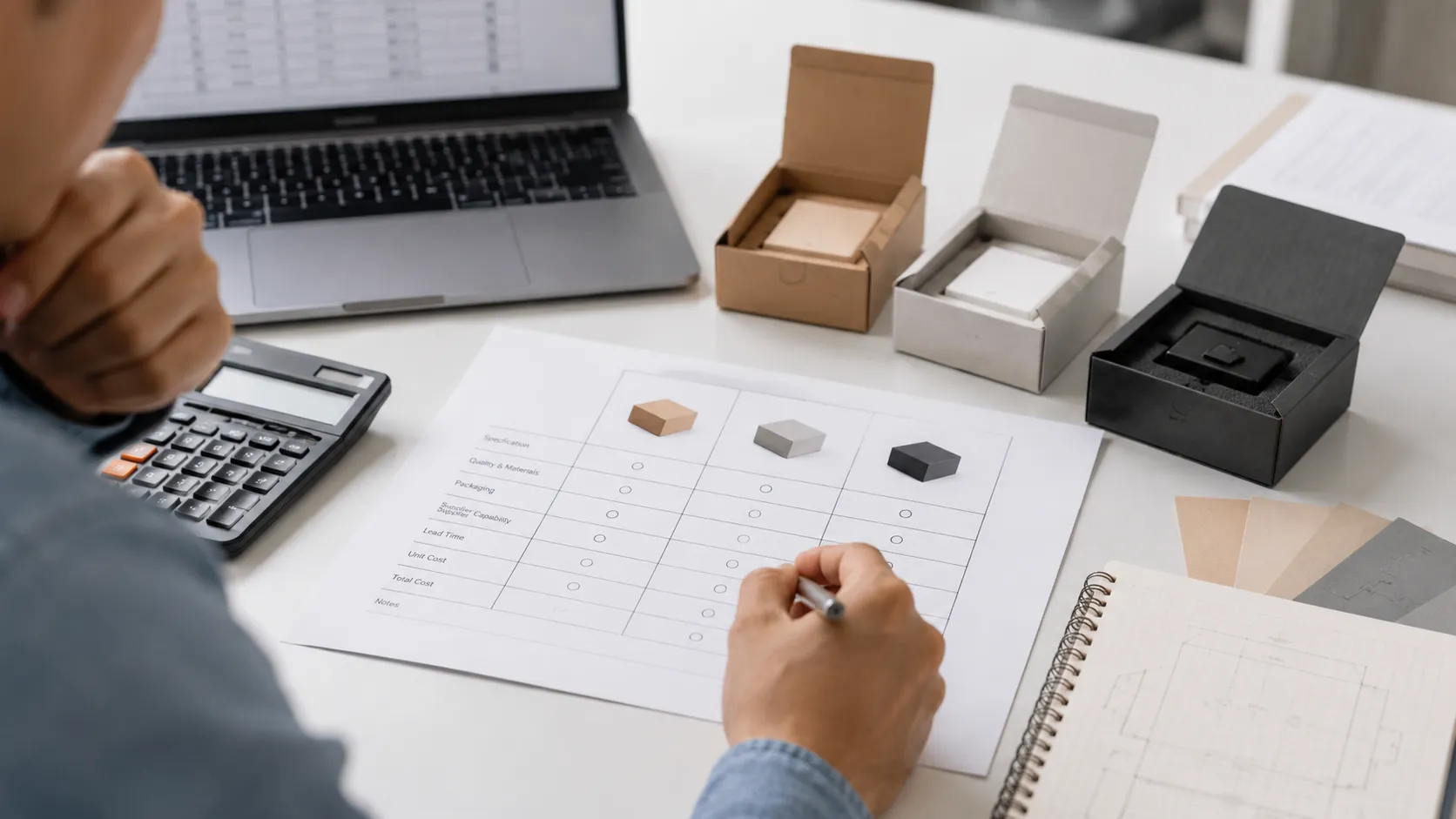
For custom packaging, I normally prefer to confirm the order in this sequence:
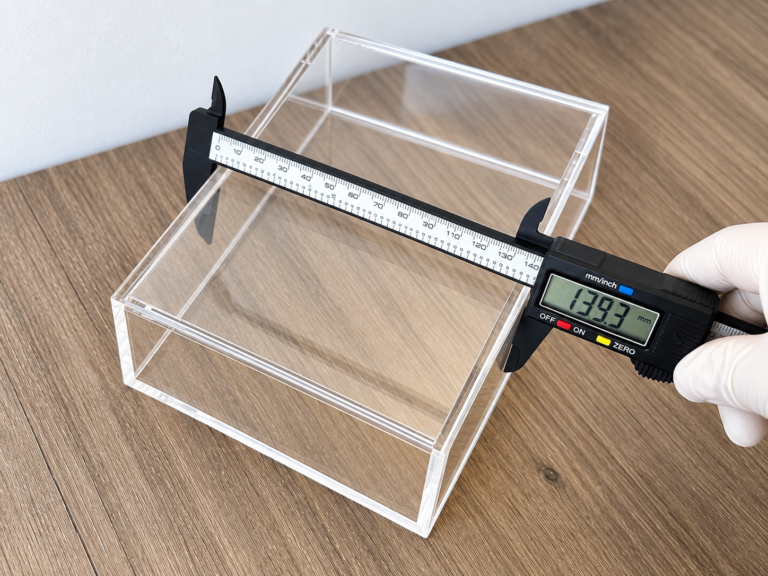
- Confirm the product size.
- Confirm the packing method.
- Confirm the box structure.
- Confirm the packaging material.
- Confirm printing and finishing.
- Prepare the final dieline and artwork.
- Make a packaging sample or mock-up when necessary.
- Start mass printing after approval.
It may take a little more communication at the beginning, but it reduces the risk of reprinting thousands of boxes later.
What this case shows
Artwork is only one part of packaging development.
The physical material, printing process, finishing method, and final product all need to work together.