A product sample does not always need a complete redesign.
Sometimes, one small detail is enough to change the final result.
For one custom product project, the main structure was already correct.
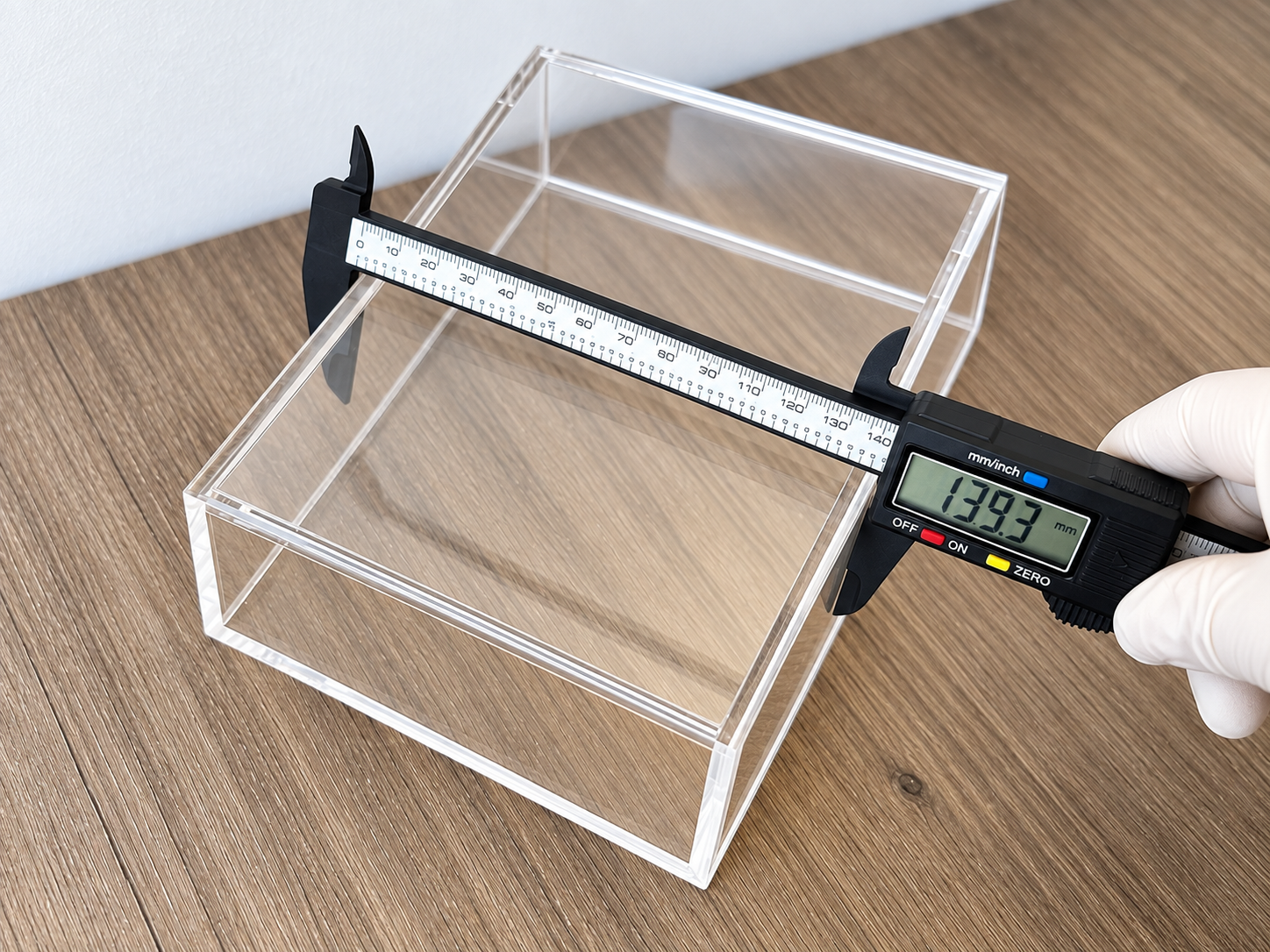
The dimensions matched the drawing.
The material was right.
The logo position was correct.
The overall function also worked as expected.
At first glance, the sample looked ready.
But after checking it more carefully, we noticed that one finishing detail could affect how the product looked in real use and in product photography.
The issue was not serious enough to reject the sample.
But it was worth improving before mass production.
Instead of changing the whole structure, we discussed a small adjustment with the factory and checked whether it would affect assembly, fit, production cost, or lead time.
This is one reason I do not see sampling as simply asking:
“Is the product correct?”
A useful sample should help answer a few more questions:
- Does the product work as expected?
- Does it match the original specification?
- Does it look right in real use?
- Is there any small detail worth improving before production?
Sometimes the biggest improvements happen after the basic product is already correct.
The purpose of a sample is not only to approve it.
It is also the best time to find small problems before they become large production problems.
What this case shows
Good sourcing follow-up is not only about finding a supplier.
It is also about checking the details between the drawing, the sample, and the final product.